
The Definition of Luck and Skill in Gambling
Luck in gambling is often described as the element of chance that can influence outcomes unpredictably. It encompasses factors beyond the player’s control, such as random number generation in slot machines or the shuffle of cards in poker. Players may feel lucky if they consistently win despite minimal planning or strategy, leading to a perception that luck plays a predominant role in their success, especially when they choose to play at the best online casino that offers exciting games and favorable odds. Understanding this aspect can profoundly affect a gambler’s mindset and approach to games.
On the other hand, skill refers to the player’s ability to make decisions based on knowledge, experience, and strategy. In games like poker or blackjack, skilled players can use mathematical principles, probability analysis, and psychology to outmaneuver opponents and improve their odds of winning. This active decision-making contrasts with games of pure chance where skill has little to no impact on outcomes, highlighting the different dimensions of gambling experiences.
The interplay between luck and skill can shape both casual gaming environments and professional circuits. While players may rely solely on luck in high-stakes situations where outcomes are unpredictable, skilled players often seek to minimize the role of chance in their gaming. Understanding these distinctions is essential for both gamblers and gaming operators, as it influences game design, player retention strategies, and responsible gaming practices.
The Role of Luck in Gambling
Luck is an indisputable factor in gambling, influencing outcomes to varying degrees across different games. In lottery games, for instance, players select numbers with no way of predicting which combination will be drawn, emphasizing luck’s supremacy. The significant prize amounts, combined with the low odds of winning, make these games purely chance-based. Such examples illustrate how luck can create thrilling moments and unpredictability, attracting players seeking excitement.
Furthermore, even in games that involve a skill component, luck often plays a role. For instance, in poker, while skilled players can devise strategies to outplay opponents, the cards dealt are purely a matter of chance. A poorly-timed bad beat can cripple a skilled player’s chances, showcasing that even with expertise, luck can dictate a player’s success or failure. This volatility can lead to emotional highs and lows, making the gambling experience uniquely exhilarating yet fraught with risk.
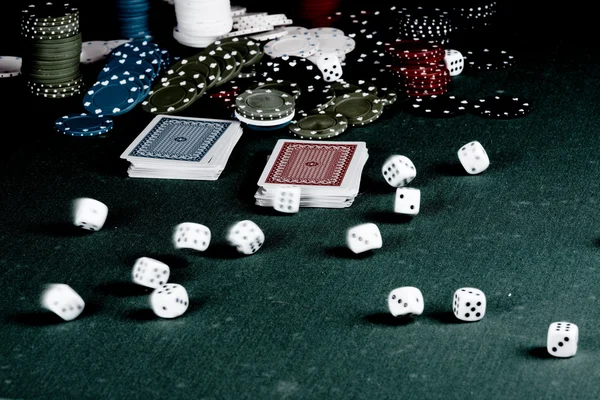
The unpredictability associated with luck also contributes to the gaming industry’s allure. Casinos and online platforms promote games by emphasizing the excitement of winning against the odds, capitalizing on the thrill of chance. However, it is crucial for players to recognize luck’s transient nature and understand that losses can also be frequent. This understanding encourages responsible gambling, where players approach gaming as a form of entertainment rather than a reliable source of income.
The Importance of Skill in Gambling
While luck holds significant sway in gambling, the importance of skill cannot be overlooked, especially in certain game categories. For example, skill is crucial in strategy-based games such as poker, where understanding the behavioral patterns of opponents and calculating pot odds can lead to successful outcomes. Skilled players can exploit their knowledge to maximize winnings and mitigate losses, demonstrating how strategic thinking can alter the game’s dynamics.
Moreover, the role of skill is not just confined to card games; it extends to sports betting and other areas where players analyze statistics, study trends, and understand game mechanics. Those who invest time to learn and refine their skills often enhance their odds of success, thus benefiting from a more structured approach to gambling. This learning curve is essential for both novice and experienced gamblers looking to elevate their gameplay beyond mere luck.
As skill becomes increasingly recognized within the gambling community, many players engage in continuous education, utilizing resources and platforms to develop their strategies. This shift has led to a more informed player base, with many opting for games where their skill sets can significantly influence outcomes. Consequently, the gambling landscape is evolving where the distinction between luck and skill continues to deepen, offering varied experiences to both casual and serious players.
Finding the Balance Between Luck and Skill
The relationship between luck and skill in gambling is not necessarily antagonistic; rather, it can coexist, enriching the overall experience. Understanding how these elements interact allows players to navigate their gambling journeys with greater awareness. In games like blackjack, for instance, while the initial dealing of cards is a matter of chance, skilled players can use strategic betting and decision-making to improve their odds of winning. This blend of chance and skill can lead to more engaging gameplay.

Moreover, recognizing the balance between luck and skill enables players to set realistic expectations. For instance, a poker player might experience a run of bad luck despite their expertise, highlighting the unpredictable nature of gambling. By appreciating this balance, players can adopt a healthier mindset, focusing on enjoyment rather than solely on profitability. This perspective can foster a more sustainable approach, where players participate for entertainment rather than becoming overly fixated on outcomes.
Ultimately, the effectiveness of blending luck with skill can also be reflected in responsible gambling initiatives. Players who understand the dual nature of their gaming experiences are more likely to engage in safe practices, avoiding the pitfalls of chasing losses or pursuing unrealistic wins. This understanding promotes a healthier relationship with gambling, reinforcing the idea that it should be seen as a form of leisure rather than a surefire method of financial gain.
Understanding the Gambling Landscape
As the gambling landscape continues to evolve, it is crucial for both new and experienced players to grasp the implications of luck versus skill in their gaming experiences. With numerous games available, players must familiarize themselves with the rules and strategies that govern each. By doing so, they can make informed choices, whether they wish to embrace games of chance or leverage their skills in strategy-based options.
Additionally, the growing popularity of online gaming platforms has made information readily available, allowing players to enhance their skills and understand the odds involved. Educational resources, community forums, and strategy guides offer invaluable insights into maximizing potential outcomes while acknowledging the inherent risks associated with gambling. This shift towards knowledge and awareness helps cultivate a responsible gaming culture.
In conclusion, understanding the dynamics of luck and skill in gambling empowers players to make better decisions, manage their expectations, and engage in gaming responsibly. As they navigate this multifaceted landscape, awareness of these elements enables a more enriching and enjoyable experience, helping to balance the thrill of chance with the satisfaction of skillful play. Engaging with gaming responsibly promotes longevity in this entertainment avenue, allowing both excitement and personal growth to flourish.
Komentar Terbaru